Karl-Josef Hildenbrand/DLD
AI in Medicine: “This is a Pivotal Moment”
Award-winning researcher Fabian Theis of Helmholtz Munich explains why the next leap in understanding biology and curing diseases will from Artificial Intelligence and big data.
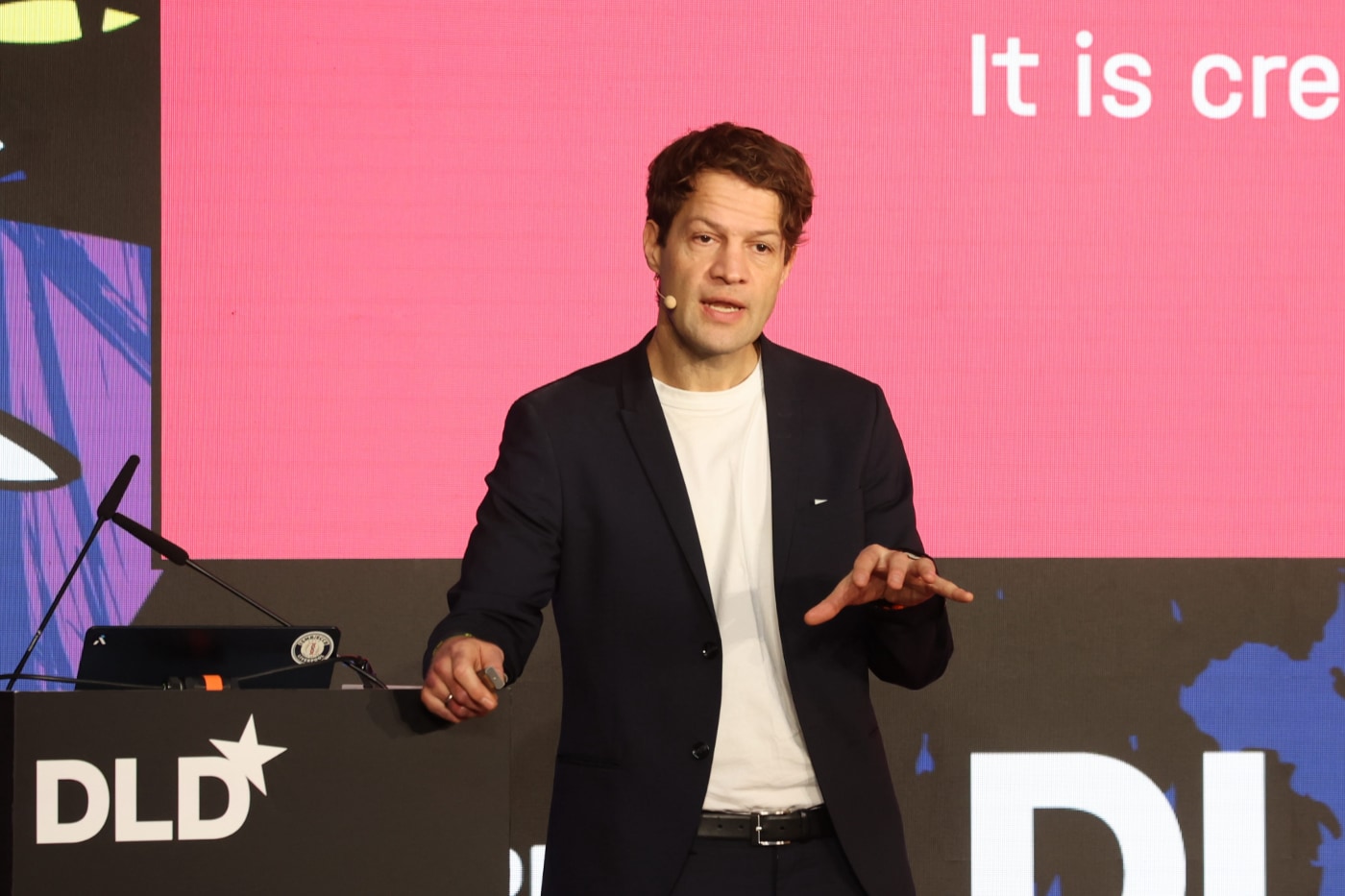
Fabian Theis has a bold vision: with his team of more than 600 scientists he aims to recreate the human body in the form of a computer model – a “virtual human” – to enable transformative advances in medicine, from predicting the way diseases will progress to designing new drugs for their treatment.
The ambitious project is a key initiative of Helmholtz Munich, one of Germany’s leading health research institutes, where Theis heads the Computational Health Center. It’s also an example of Bavaria’s long-standing strategy of investing in frontier technologies to transform the former agrarian state into a powerhouse of European innovation.
With its mission of “Discovering Future Health”, Helmholtz Munich fits neatly into an ecosystem of top-tier universities, startups, venture capital, and established firms looking to partner with scientists eager to turn their research into products. Leading the way has been UnternehmerTUM, the incubator of Technical University of Munich (TUM), which consistently ranks as Europe’s leading startup hub and has produced highly successful companies across different industries – such as Celonis (enterprise AI), Isar Aerospace, and Flix (mobility).
“Make AI A Feature”
As Chairman of the Bavarian AI Council, Fabian Theis is part of the BAIOSPHERE initiative: a strategic push to connect all AI-related research in the state and create a central hub for innovation around machine learning and Artificial Intelligence. “What we aim to do in is to develop that ecosystem, bring people together and also communicate about that”, Theis explains. “BAIOSPHERE is where you find your PhD position, it’s where you find the next startup to invest in, and so on.”
DLD Health x BAIOSPHERE
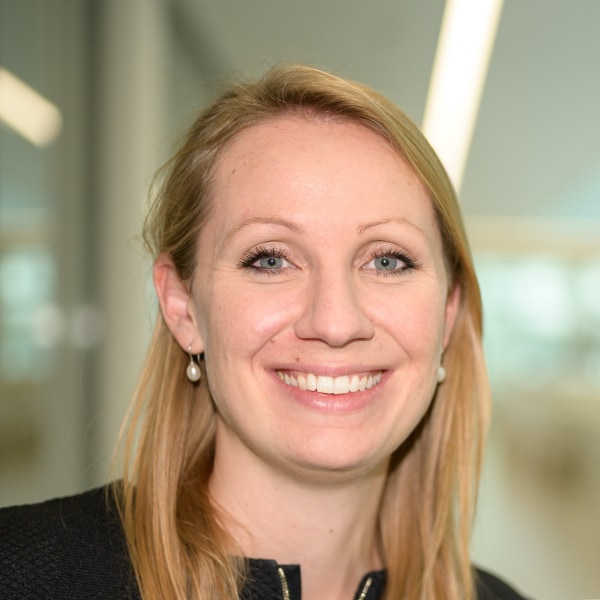
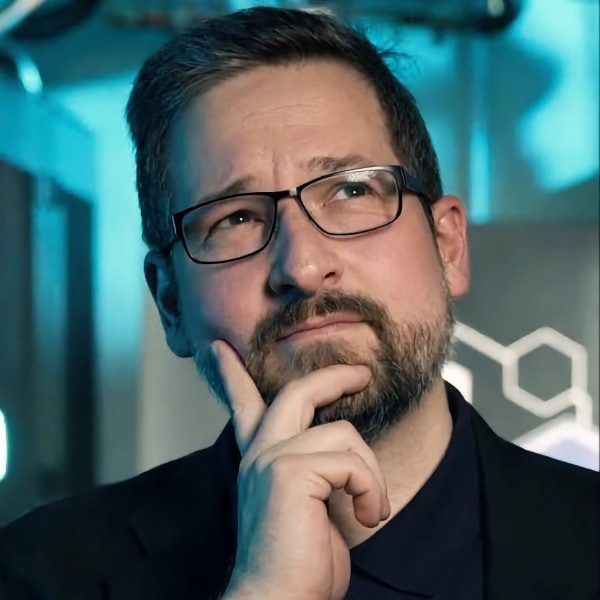
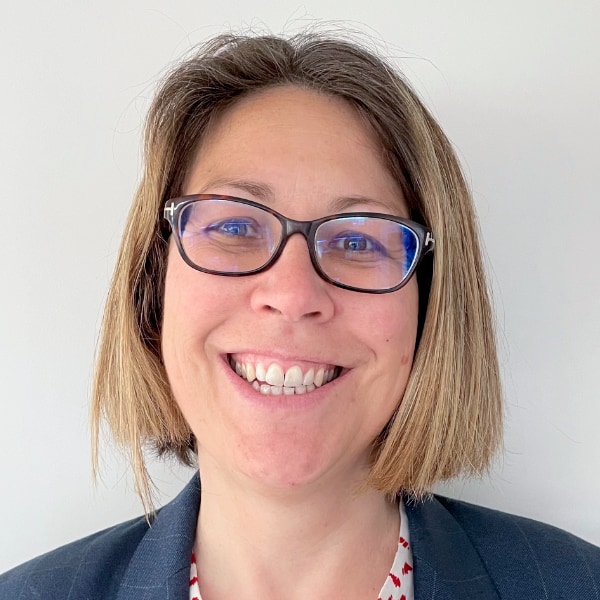
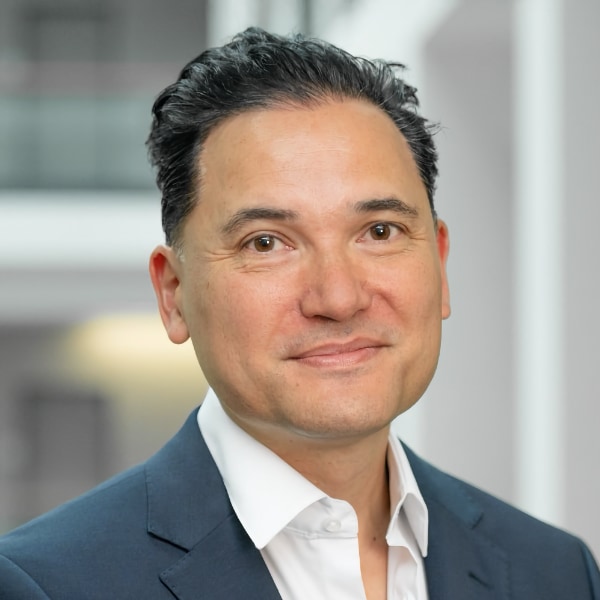
In partnership with BAIOSPHERE, DLD Health brings together scientists, innovators and business leaders to explore the impact of AI in healthcare and wellbeing. The conference takes place in Munich on June 12, 2026, and will cover three key themes: advancing research from labs to clinical applications; preventing diseases rather than merely treating them; and empowering patience through health tracking and the “quantified self”.
Theis has no doubt that AI is a defining technology of our time which will affect every industry because it’s so broadly applicable. “The AI revolution is coming everywhere”, he says. Trying to resist this change is not just futile, he warns, but sure to backfire. “It’s going to roll over you”, Theis says. “Better make it a feature.”
A multi-award winning researcher, Theis holds two doctorates: one in physics, one in computer science. Biology was not his favorite subject at school, he tells DLD, “but now, with AI, it gives me all these nice problems to solve.”
Healing With Data
That’s because technology is turning the age-old art of healing into a mathematical problem – first of gathering data, and then making sense of it with the help of complex algorithms. “Disease happens on the cellular level”, Theis explains, and thanks to medical advances, scientists now understand the processes at a cellular level much better than ever before.
But there’s a catch. “The amount of data available is just exploding”, Theis notes. “To make sense of all this data, you need AI. You can’t do it the way it was done in the past, by looking at images or analyzing a few sequences. You need to automate that. It’s just so complex.”
Theis’s lab is part of an international project named the Human Cell Atlas. The goal is to map every single cell in the human body – all 37 trillion – and create 3D computer models of every organ. At Helmholtz Munich, Theis and his team have already mapped every single cell in the lung, building the first integrated single-cell atlas of this vital organ.
The next step is using AI to simulate how the cells behave. “What’s so cool about cell biology is that we can make experiments in a quick-turnaround fashion“, Theis says. “We can come up with a hypothesis and then test it at scale”, thanks to the mathematical models.
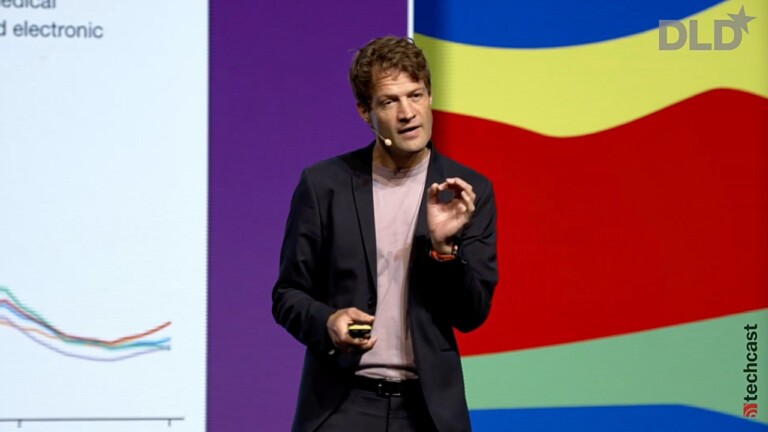
“The idea is that you can see the potential effect that certain changes have in a cell”, Theis explained in his DLD26 presentation “From Models to Medicines: AI-guided Experimental Biology”. The vision for virtual cell modeling is to create a virtuous cycle where the AI gains insights from experiments in a “closed-loop of active learning”, Theis says.
While much work remains to be done, there’s no doubt in the researcher’s mind that the field of medicine is entering a new, exciting age, thanks to Artificial Intelligence and an ever-growing body of insights into biology. “This is a big, pivotal moment”, Theis says.
More About AI in Medicine
From the Cell to Clinical Application
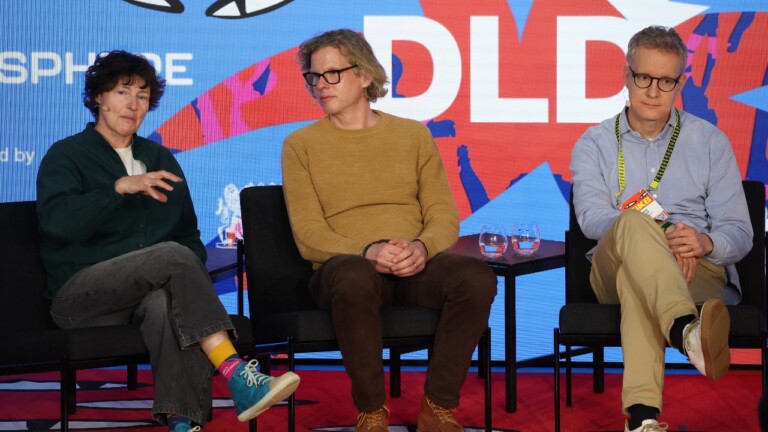
Artificial intelligence is redefining the journey from cellular discovery to clinical application, enabling breakthroughs across biology, medicine, and technology. This DLD26 expert panel, moderated by Fabian Theis, brings together pioneers from different areas of biological research to show how AI can serve…
Reinventing Science with AI
Has scientific progress slowed down? In this engaging DLD Future Hub talk, Fabian Theis (TUM) challenges the audience to rethink the scientific method in the age of AI, arguing that while it has driven centuries of discovery, it is no longer sufficient…