Artificial intelligence is redefining the journey from cellular discovery to clinical application, enabling breakthroughs across biology, medicine, and technology.
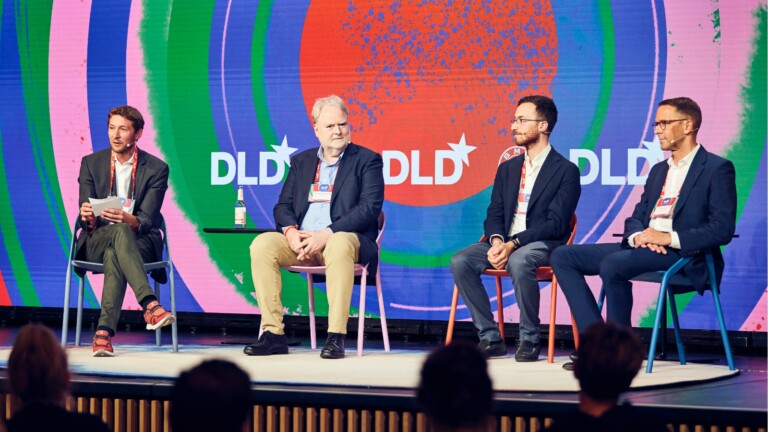
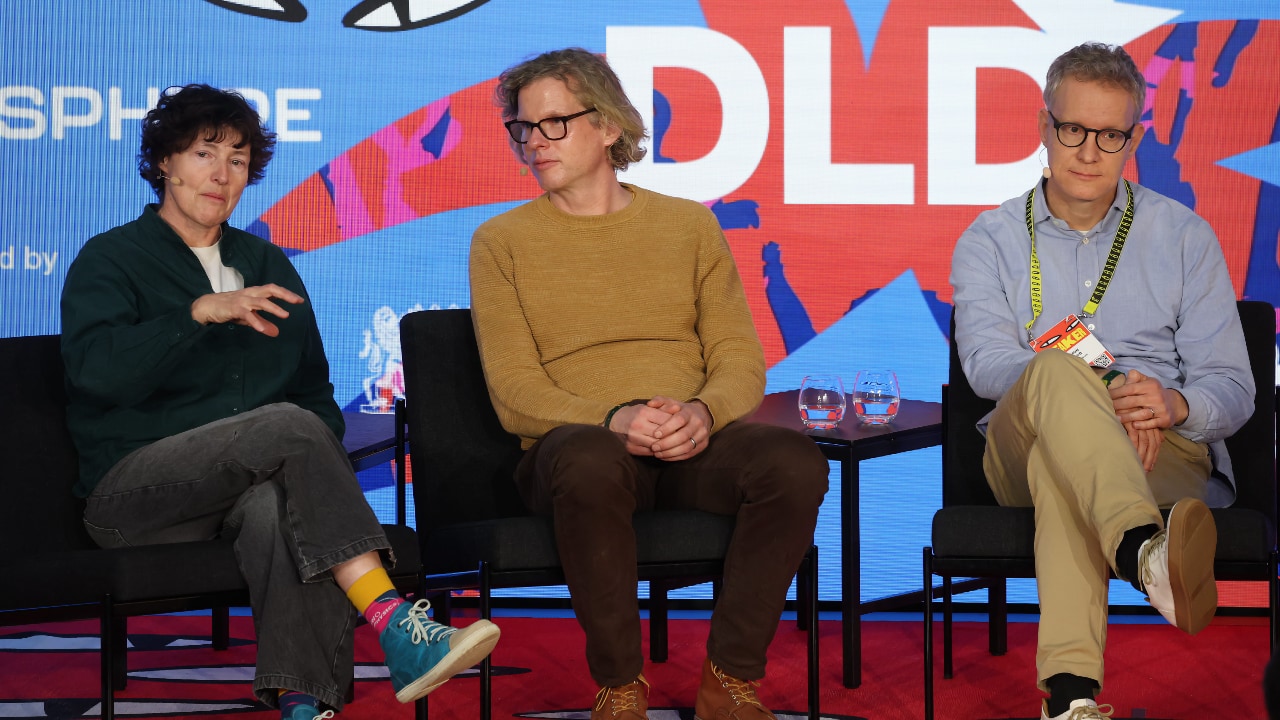
This DLD26 expert panel, moderated by Fabian Theis, brings together pioneers from different areas of biological research to show how AI can serve as the common language connecting fields like protein design, cancer therapy, clinical diagnostics, and brain-computer interfaces.
Petra Schwille (Max Planck Institute of Biochemistry) emphasized how AI tools like AlphaFold have revolutionized protein research. “Proteins are the essential elements that determine what life is”, she said, explaining how AI not only predicts protein structures but also helps design synthetic proteins to address challenges faster than natural evolution.
Cyriac Roeding, CEO of Earli, described his company’s groundbreaking work in cancer treatment, where AI-designed genetic switches turn cancer cells against the cancer itself.
Anna Bauer-Mehren (Roche Diagnostics) describes how AI-driven clinical algorithms improve early cancer detection and empower patients by integrating diagnostics with personal health data.
Simon Jacob (Technical University of Munich) outlines the transformative potential of brain-computer interfaces powered by AI, as these tools can restore lost functions for patients with neurological disorders. He stresses the ethical responsibility of working with sensitive brain data, advocating for “utmost respect” in its handling.
Watch the video to explore this fascinating session in detail.