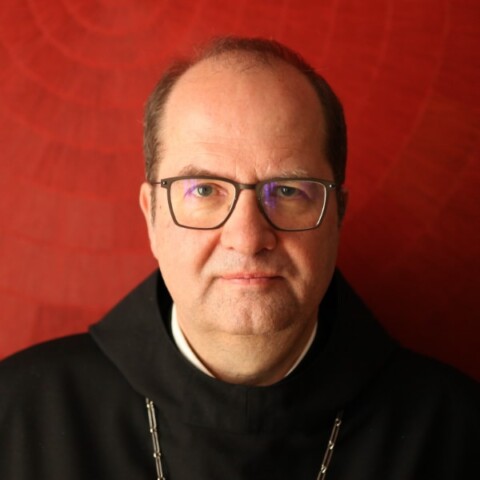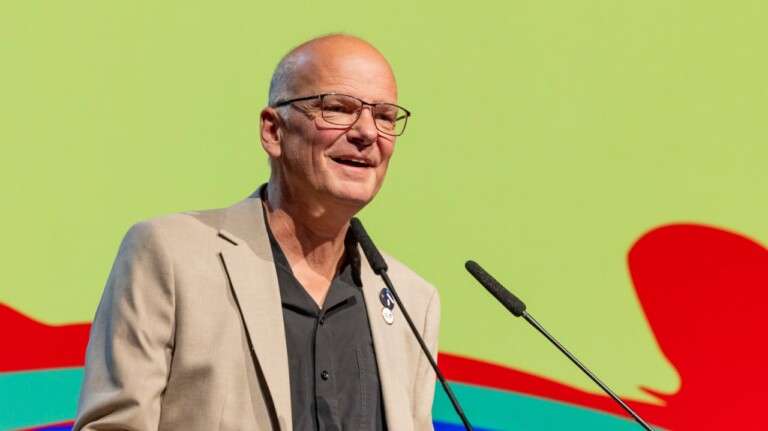
In a reflection on how humanity endures disruption, Jeremias Schröder, Abbot Primate of the Benedictine Congregation, draws on 1,500 years of monastic history to argue that today’s turbulence is not new.
It may feel that “everything is accelerating”, he notes, that the world is loud, fractured, and unpredictable. “It’s tempting to believe that we are living through something entirely unprecedented. But we are not the first generation to face upheaval.”
Using vivid historical parallels, Schröder describes how after the fall of Rome, monasteries unexpectedly became Europe’s engines of cultural survival. “That’s where manuscripts were copied, composed and disseminated”, he says. “New works of learning created poetry, and eventually sciences and even the arts were cultivated in those places.”
Looking to the present, Schröder suggests the promise of AI resembles earlier moments of radical change. Like the monks, he says, we can choose to use new freedoms for depth and human flourishing, noting that “the promise of AI is that it will make us more free. We may well waste the opportunity, as we often do, but an opportunity it is.”
Watch the video to explore this fascinating talk in depth.