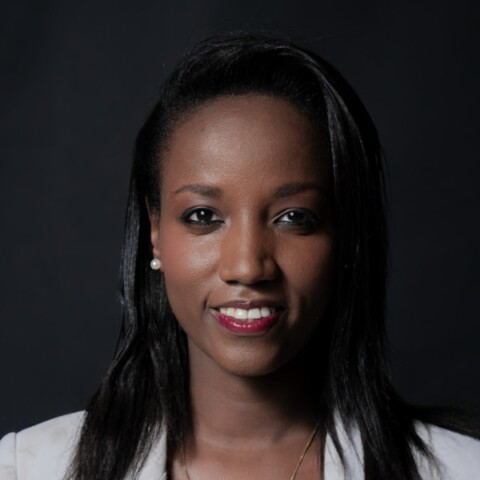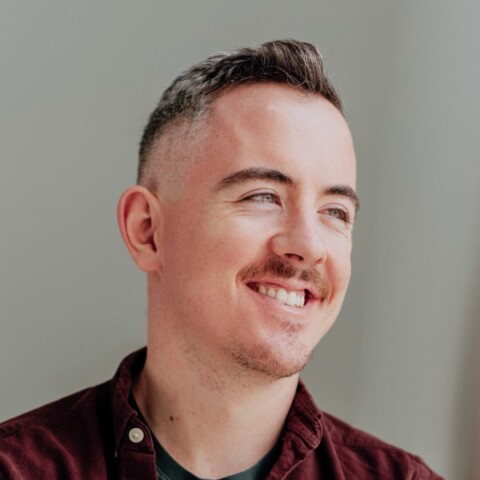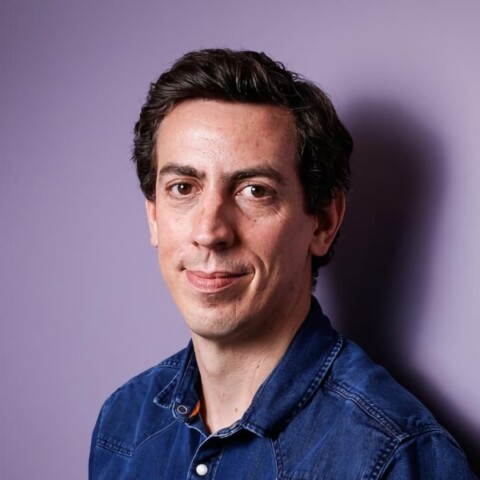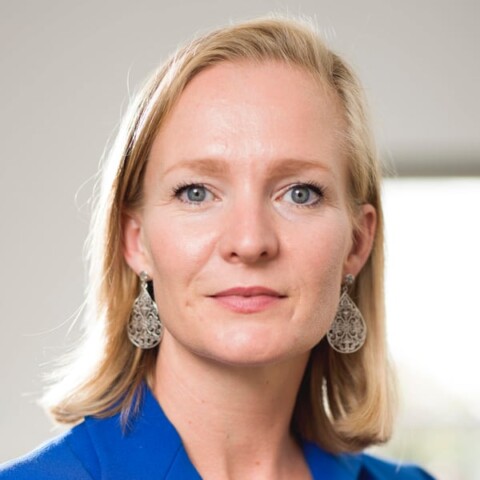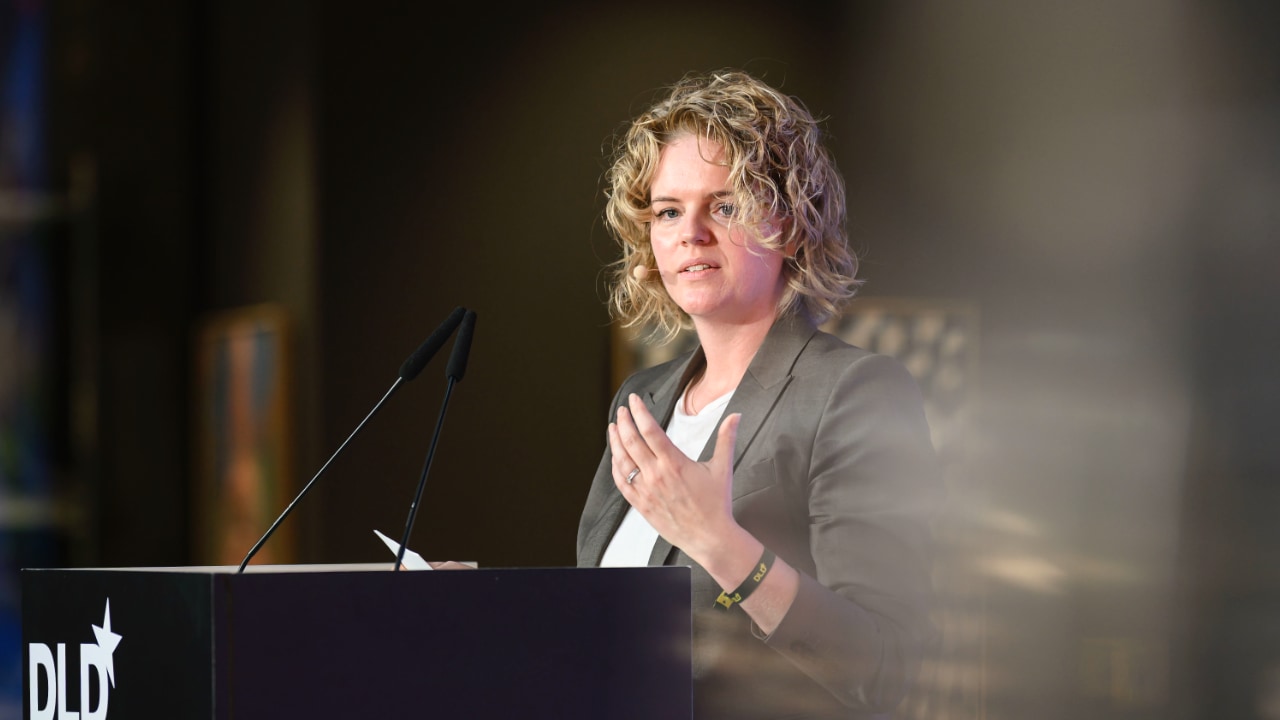
Spyware enables a new kind of silent attack on victims – one that has a profound effect on invididuals and society as a whole, as this DLD26 session makes clear. Co-curated by the Limelight Foundation, it features Alinda Vermeer, the foundation’s director; Donncha Ó Cearbhaill of Amnesty International’s Security Lab; Activist Carine Kanimba; Stanford University researcher Marietje Schaake; and investigative journalist Laurent Richard of Forbidden Stories.
Companies like Pegasus maker NSO Group sell an “incredibly dangerous intrusion tool far more sophisticated than what governments could build themselves” to governments worldwide, Ó Cearbhaill says. The big difference to other spyware is that Pegasus doesn’t need to trick the user: “They could simply, silently infect somebody’s phone”, in many cases without requiring an active click.
The consequences are dramatic, Laurent Richard notes. “Once you got infected by Pegasus, you are entirely trapped. It’s like having one person over your shoulder.” He recounts the leak of 50,000 phone numbers that launched the Pegasus Project, a project involving more than 80 journalists from 25 news organizations. “This investigation was dangerous”, he recalls, “because we were investigating a very secretive company called the NSO Group and governments known for imprisoning and killing journalists.”
Carine Kanimba, daughter of spyware victim Paul Rusesabagina, describes the Rwandan human rights activist being targeted for his freedom fight: “Surveillance steals something from you before it steals information”, she emphasizes. “It steals trust. Trust that your private life is yours.”
Marietje Schaake, a former member of the European Parliament, highlights that many key companies are based in Europe. She remembers being shocked to learn “that we had an industry that is violating human rights by design, that was entirely unregulated.”
Watch the video to explore this session in detail.