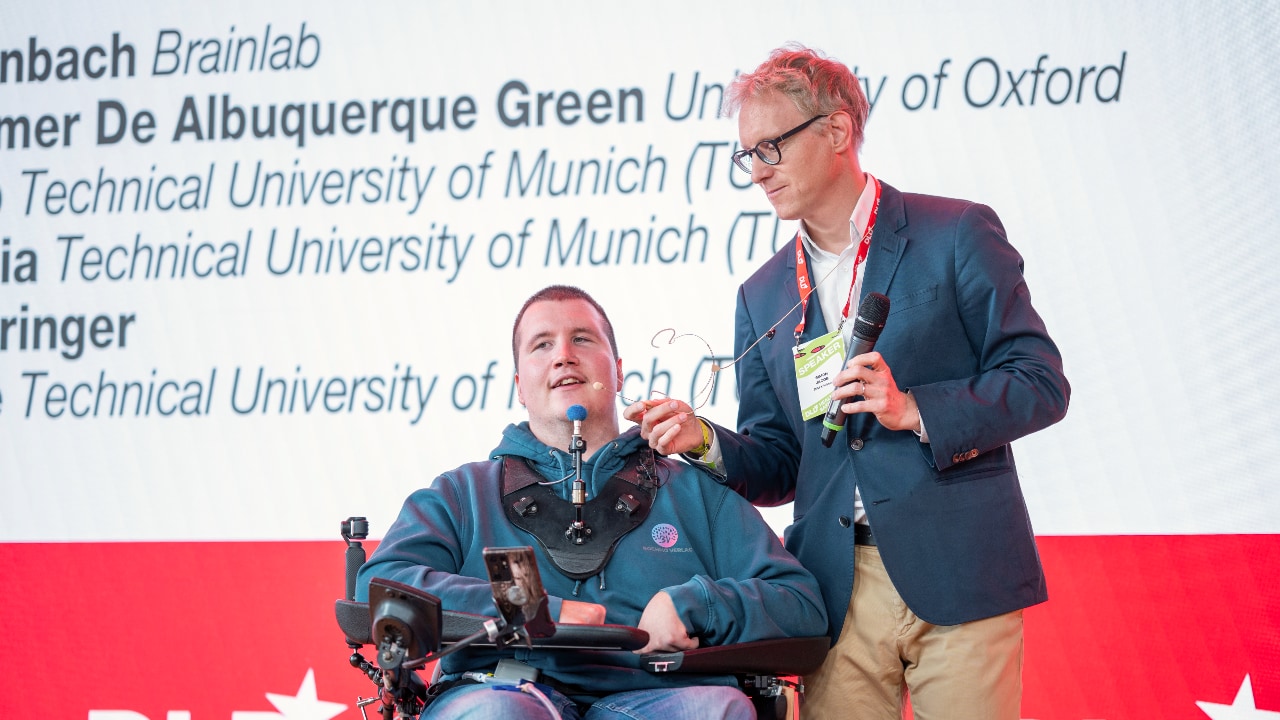
This DLD Health session shows how invasive brain-computer interfaces are moving from science fiction toward clinical possibility: restoring movement, communication, and independence, while also raising questions about safety, access to brain data, ethics, and human enhancement.
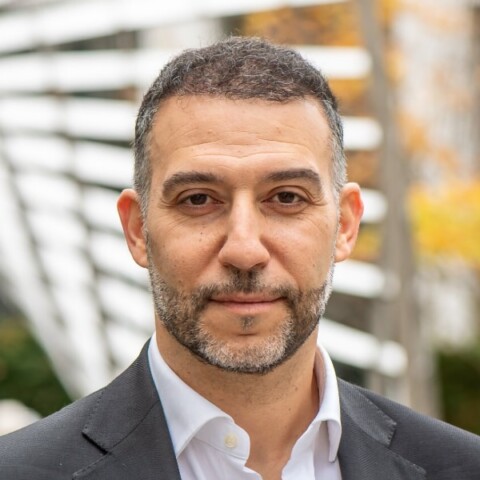
Prof. Dr. Bernhard Meyer, Director of the Department of Neurosurgery at TUM Klinikum rechts der Isar and host of the session, explains in detail how his team achieved Europe’s first BCI implantation in a patient with quadriplegia, and why precision surgery, planning, and interdisciplinary collaboration are essential. He also addresses the bigger question: if BCI implants work, they may not stop at therapy but could reshape society through human enhancement.
Simon Jacob, head of Translational Neurotechnology at TUM, shows how AI is becoming indispensable for decoding massive volumes of brain data produced by BCI participants. He highlights the future of restoring movement and communication, including pioneering work on language loss after stroke and the possibility of feeding sensory signals like touch back into the brain.
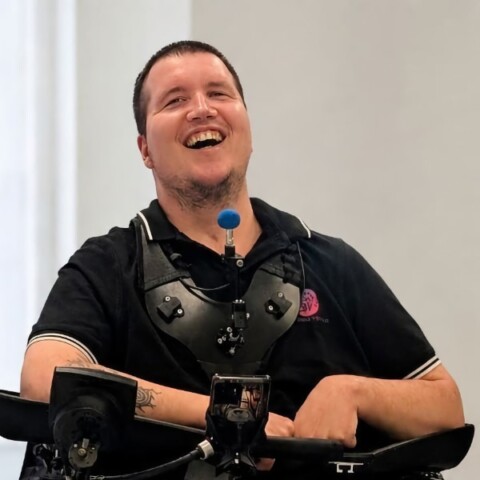
Michael “Michi” Mehringer, a patient paralyzed from the neck down after a motorcycle accident, shares what it means to be one of the world’s few invasive BCI pioneers. He describes controlling a computer cursor with his thoughts and says his biggest hope is that this research will one day give more independence to people with spinal cord injuries.
Lorenzo Masia, Executive Director of the Munich Institute of Robotics and Machine Intelligence at TUM, explains what comes after brain signals: robotics. His talk highlights the potential of lightweight exosuits that can amplify residual movement and may eventually be controlled through brain-machine interfaces to restore practical everyday functions.
Rainer Birkenbach, CEO of Brainlab, shows how AI-supported planning, digital twins, and mixed reality help neurosurgical teams place electrodes with the highest possible accuracy and safety.
Georg Starke, senior researcher at TUM’s Institute for Ethics of AI and Neuroscience, examines how implanted neurotechnology affects a patient’s sense of self. He argues that trust, careful oversight, participant involvement, and honest communication are essential as BCIs move from rare experiments toward broader use.
Caroline Emmer De Albuquerque Green, Research Director at the University of Oxford’s Institute for Ethics and AI, addresses the technology’s implications for individuals and society. She warns that if BCIs become tools for enhancement as well as therapy, society must openly decide who benefits, who pays, and how private neural data should be protected.
Watch the video to explore this fascinating session in detail.