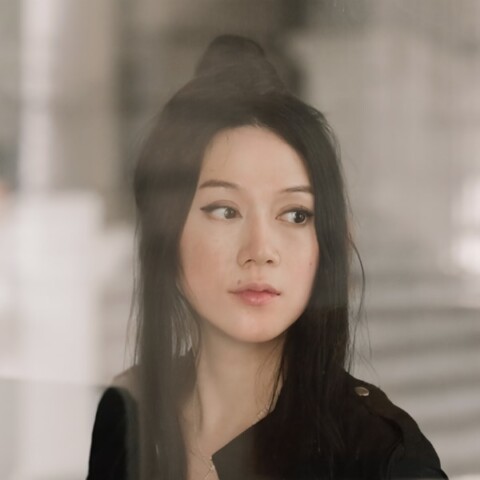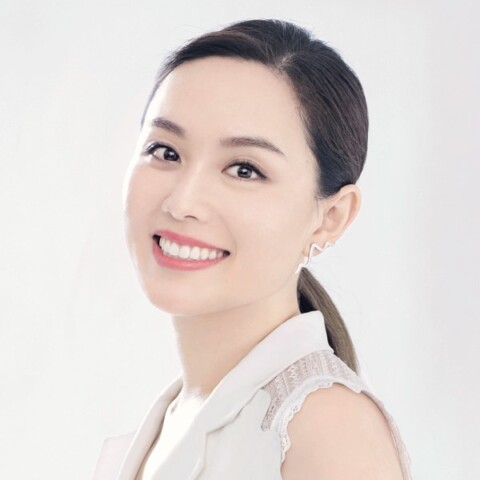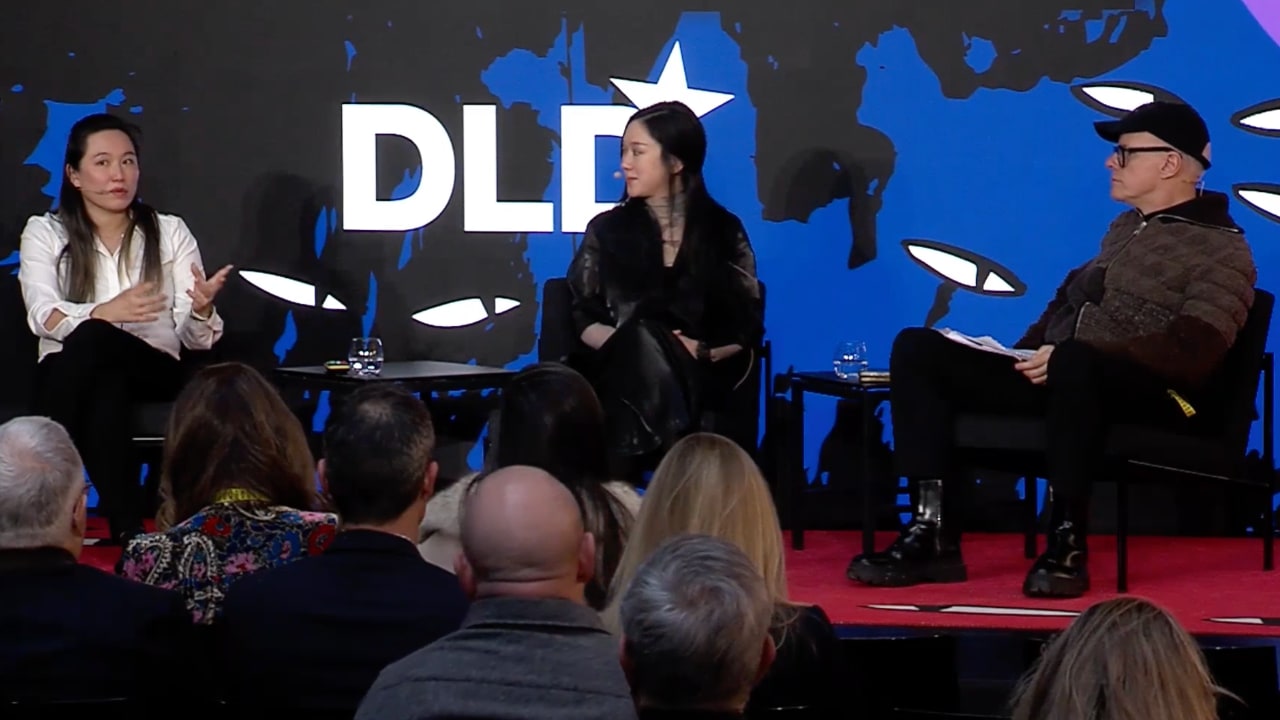
Artist Sougwen Chung and roboticist Carol E. Reiley explore what happens when machines shift from tools to creative collaborators. In conversation with renowned curator Hans Ulrich Obrist (Serpentine Galleries), they discuss where authorship blurs, where human intuition meets robotic precision, and where the question isn’t anymore who leads, but what becomes possible when intelligence is shared.
Reiley, known as the “mother of robots”, has spent 25 years researching surgical robotics, self-driving cars, and now AI-driven music and interactive performance. She views robotics as an “extension of who we are to super amplify” – enabling surgical precision or co-composing a Grammy-nominated piece with OpenAI and the San Francisco Symphony.
Chung, a pioneer in human-machine collaboration, describes how robotics entered her life through a desire for partnership. With a computer programmer mother and an opera singer father, she pursued the idea of “co-evolving with an instrument” at MIT Media Lab, where she built Drawing Operations Unit, a robotic system trained on over 20 years of her own drawings.
Reiley and Chung both champion live performance as unique experiences in a world where much else can easily digitally created or replicated. “It’s a very fertile space”, Reiley says, calling live performances the “last real thing. Because everything that’s recorded could be deep faked.”
For Chung, live events are particularly exciting because they’re “deeply not machine readable”, she says. “And as an artist and performer, I’m really interested in this activation of a moment that’s really profound and and very difficult to measure.”
Watch the video to explore this session in detail.