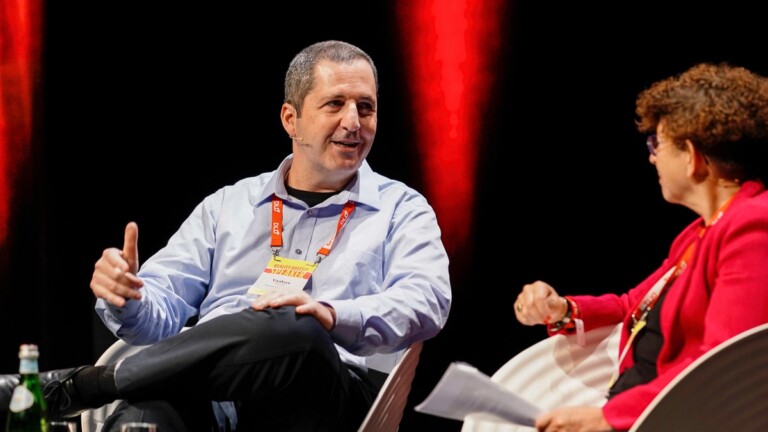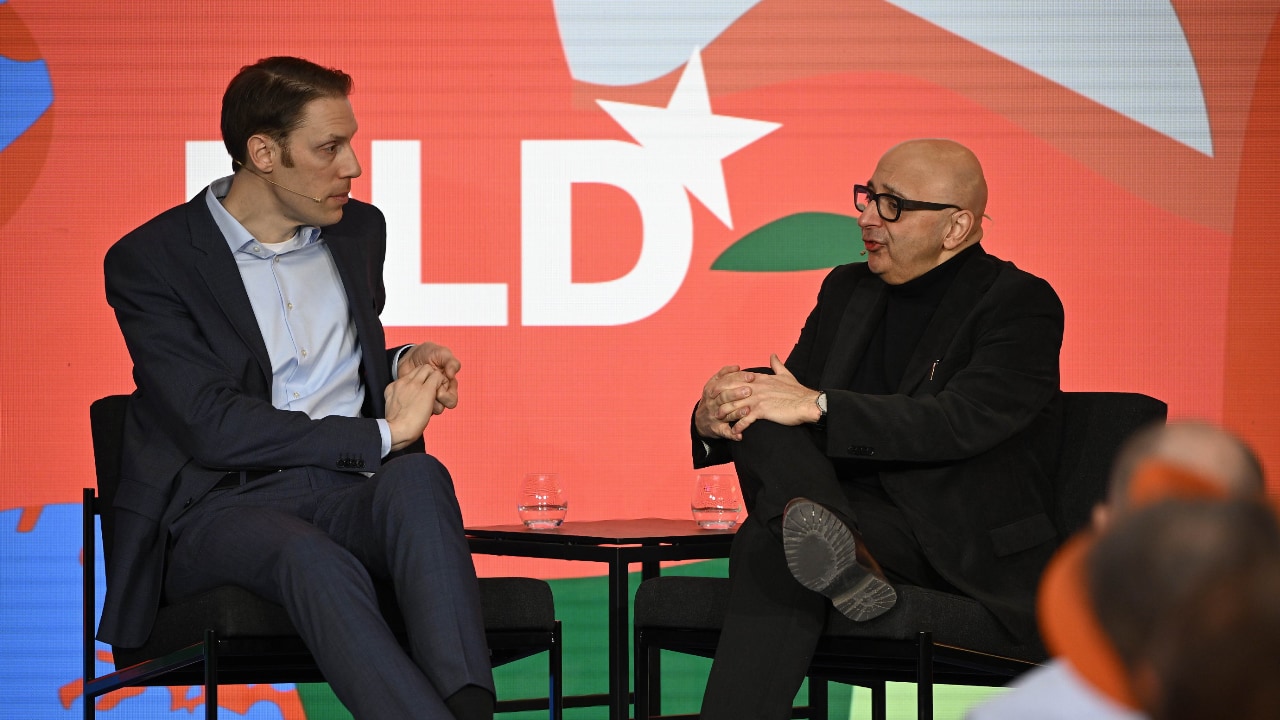
Leading AI researcher Björn Ommer and sociologist Armin Nassehi, both of LMU university Munich, discuss the accelerating influence of artificial intelligence on society and human self-perception, emphasizing both risks and opportunities this presents.
AI should be seen as a “general-purpose technology” that serves as an “operating system for pretty much all that we are doing”, Ommer notes. The technology’s potential can only be fully realized through disruptive, full-scale integration rather than incremental adoption, he argues.
By taking an overly cautious approach to AI, Europe risks being outpaced by global competitors, Ommer warns.
Nassehi compares AI’s societal impact to that of the printing press, which not only disseminated information but also redefined concepts like authorship and subjectivity. This, he argues, positions AI as a force capable of reshaping how societies create and understand meaning.
“The new player in this game is a technology which also is able to challenge us”, Nassehi says, “as someone who is able to change our own reflection and our own relation to the world.”
Both scientists warn that the rapid diffusion of AI threatens existing legitimization structures and could concentrate power in the hands of technology owners unless societies assert sovereign control.