
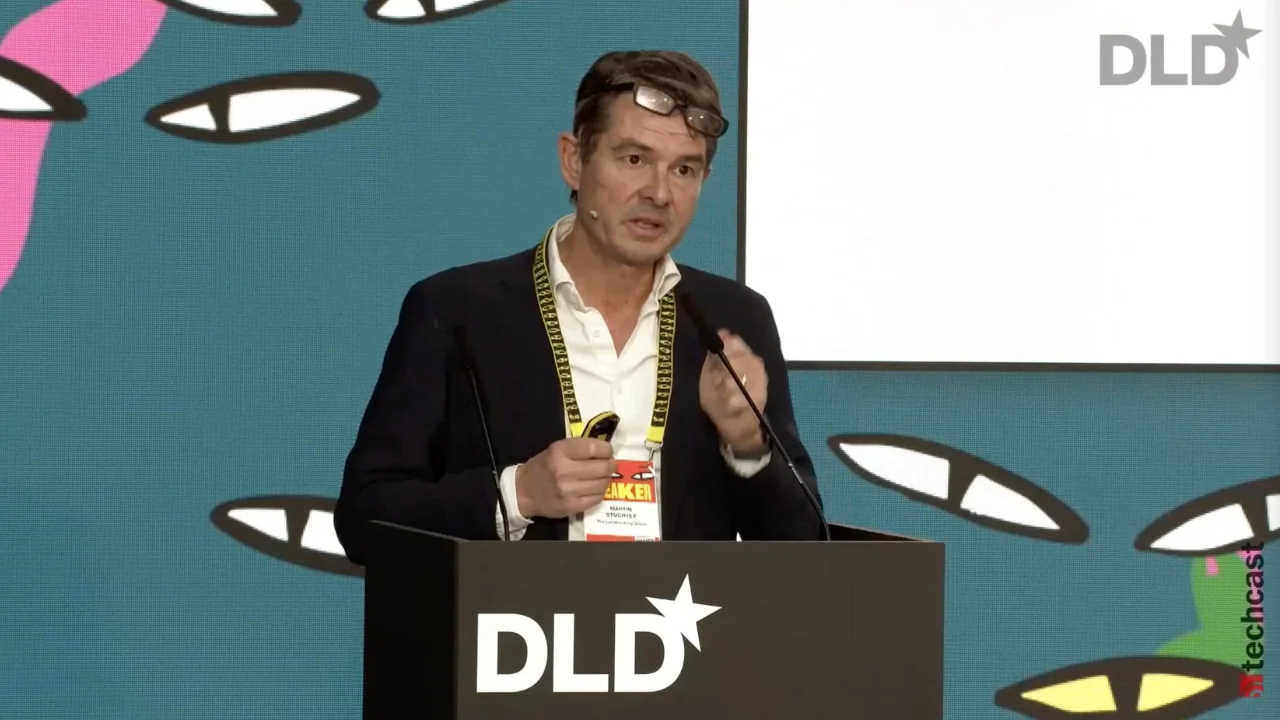
Land Banking Group founder Martin Stuchtey presents a compelling case for rethinking Europe’s critical infrastructure by making nature a core component of it.
Stuchtey argues that Europe’s overemphasis on efficiency has led to the removal of “shock absorbers” from critical systems: redundancies and buffers that ensure resilience. This has had the effect of amplifying vulnerabilities.
Drawing on Paul Kennedy’s The Rise and Fall of Great Powers, he makes the case that nations fail when their infrastructural capacity weakens relative to their commitments.
“That’s what Europe is right now, right here”, he warns. “We have been overrating efficiencies and we have been taking too many redundancies, too much slack, and too many buffers out of the system.”
The infrastructure investments that Europe needs regard decarbonized energy, circular resource systems, sovereign digital networks, and credible defense, Stuchtey argues.
Preserving biodiversity and protecting the health of the planet should be at the center of any strategy of resilience, he says, as nature is “our most important infrastructure that supports directly 50% of our global GDP, that delivers us $140 trillion in ecosystem services every year.”


