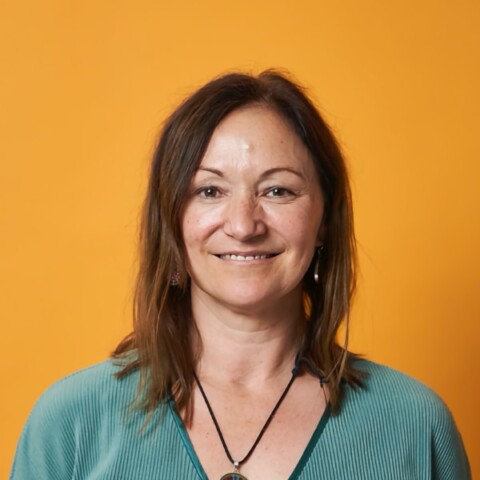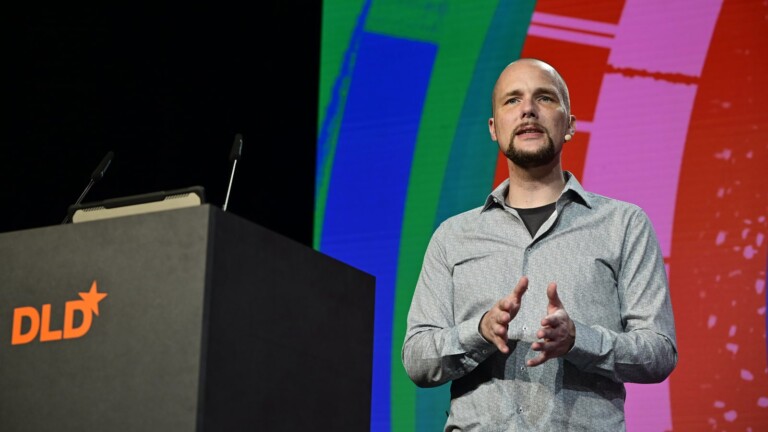
The concentration of AI power in the hands of a few thousand people poses a systemic risk – but 8 billion humans don’t have to wait for permission to shape the future. This is a central message of this DLD26 session, moderated by Jannis Brühl (Süddeutsche Zeitung), which brings together Tara Chklovski (Technovation), Saturnin Pugnet (WorldCoin), and Katja Speck (VisualVest).
Tara Chklovski highlights grassroots innovation as a path to empowerment. Her organization, Technovation, helps young women worldwide to leverage AI and solve local problems, such as a girl in India who developed a bird-song detection model tailored to local wildlife.
“We have literally 30,000 young women doing similar things around the world”, Chklovski says. “They’re not waiting for Elon [Musk]. It is really a software revolution where if you have an idea, you can launch a company and make a big change.”
To counter the risk of monopolized infrastructure, Katja Speck advocates for open systems and digital sovereignty. “If you have data, protocols, distribution in the hand of just a few, there is no competition”, she notes, stressing that the whole idea behind the Internet was open systems and collaboration.
Pugnet sees the concentration of power in the hands of a few companies and individuals as a “systemic failure”. Taking on “any specific individual” wouldn’t lead anywhere, he argues, because “someone else is going to come and do the same thing, because incentives of the system are built as such.”
Watch the video to explore this topic in detail.