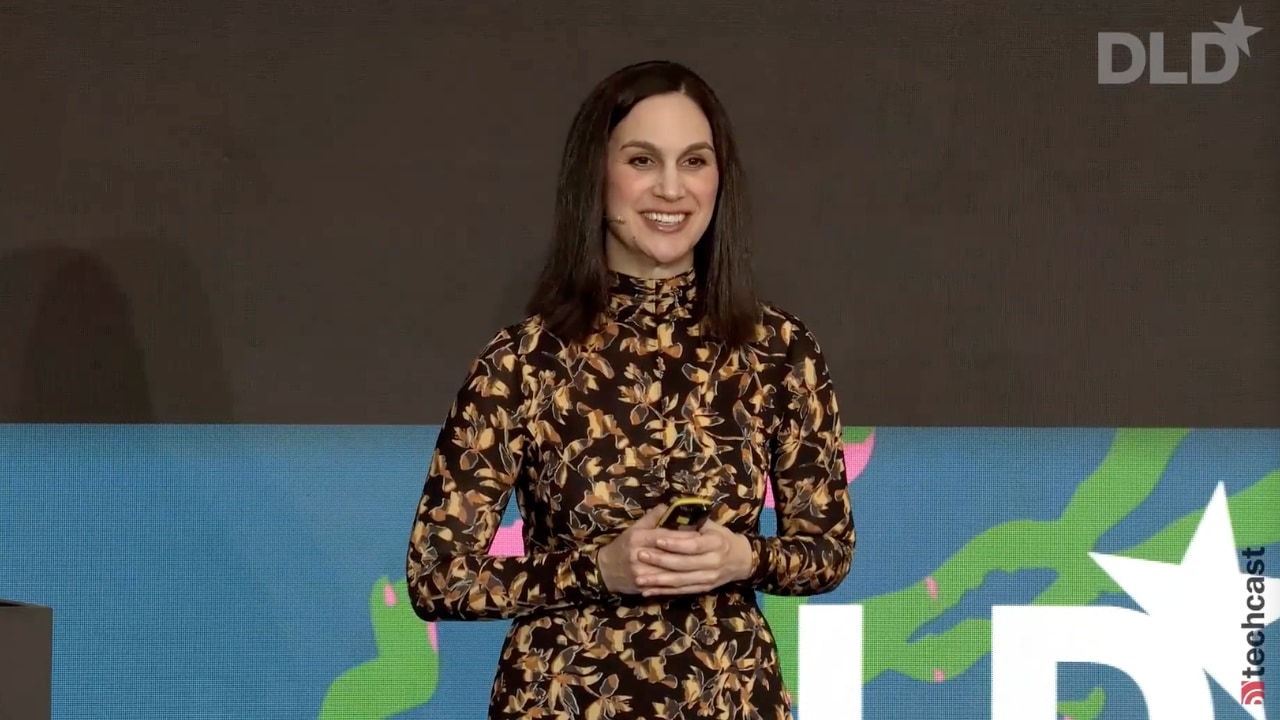
A key lever for AI adoption is trust, Margot Edelman explains in her DLD Munich 2026 presentation, which is based on findings from the Edelman report Trust and Artificial Intelligence at a Crossroads.
The research reveals four key divides shaping AI adoption: geographic, industry, income, and generational.
Countries like Brazil and China embrace greater AI use, while many people in developed markets – such as the U.S., U.K. and Germany – resist it. Even in younger demographics, often assumed to be AI-friendly, “the majority of those 18 to 34 in the U.S. say they don’t trust AI”, Edelman notes.
Across different income levels, fear of being left behind is widespread, and notably, high-income respondents in developed markets “also feel that they’re at risk as well from the technology”, Edelman points out.
Resistance is largely rooted in perception, rather than practical knowledge, the report shows. Among AI skeptics, only 18% said they personally had a bad experience with AI, while frequent users report feeling “faster, sharper, and more creative problem solvers.”
This shows that “it’s more about fear and mistrust rather than people actually not having a good experience with the tech”, Edelman says, “which I think is, again, an incredibly important data point.”
Watch the video for further insights and what corporate leaders should take a way from the findings.