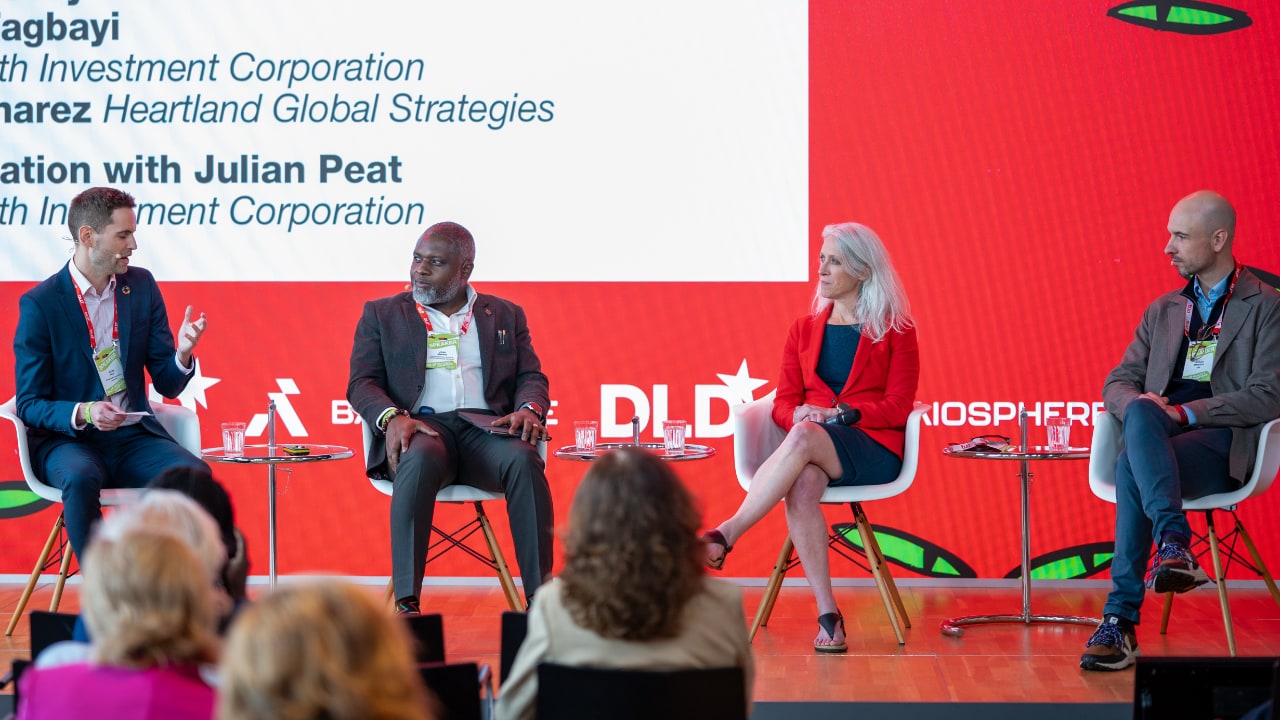
Global health investment should not be seen as charity but as “the most strategic commitment that a society can make to its own resilience”, moderator Julian Peat notes, as he opens this DLD Health expert panel discussion, which examines how AI, capital, and cross-border collaboration reshape health systems.
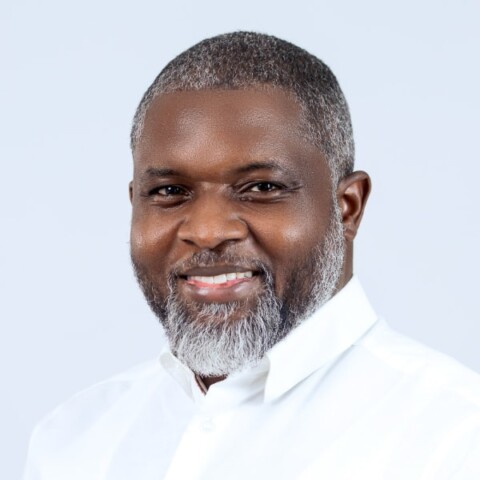
Epidemics show the limits of the current approach to global healthcare, John Amuasi (KNUST/Bernhard Nocht Institute) argues. “The eyes on the ground cannot see clearly enough”, he says, due to fragmented data and weak surveillance systems. Technology offers a solution, he says, as AI can integrate human, animal, and environmental data to improve detection and response.
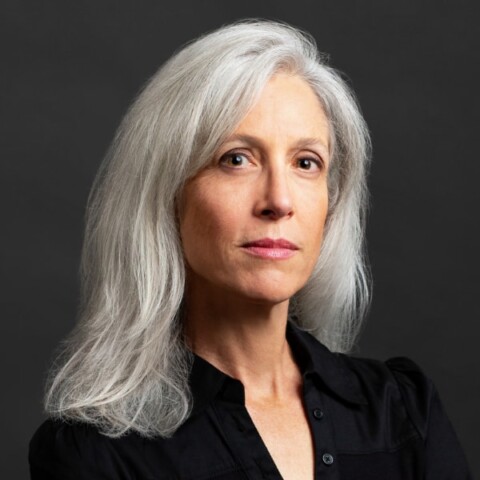
Susan Monarez (Heartland Global Strategies) introduces the concept of Medicine 3.0 – moving beyond brick-and-mortar healthcare toward AI-powered, home-based prevention that democratizes early intervention.
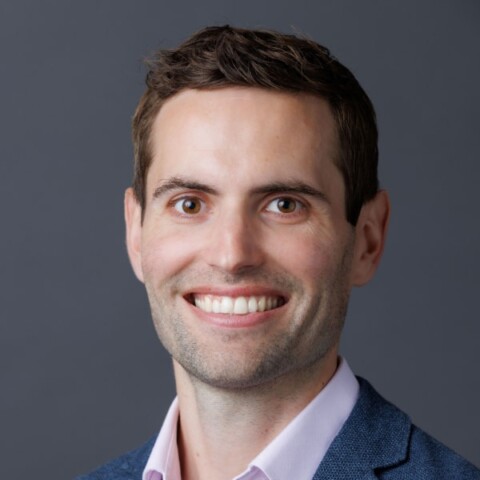
Adrian Dincsoy, Project Manager at KfW Development Bank, emphasizes that health innovation between Europe and Africa is a two-way bridge. “We see healthcare innovation flowing both down from Europe to Africa, but there’s also innovation flowing up from Africa to Europe”, he says, citing African innovators like InstaDeep, hearX, and Yemaachi as examples of local solutions that now have a global impact.
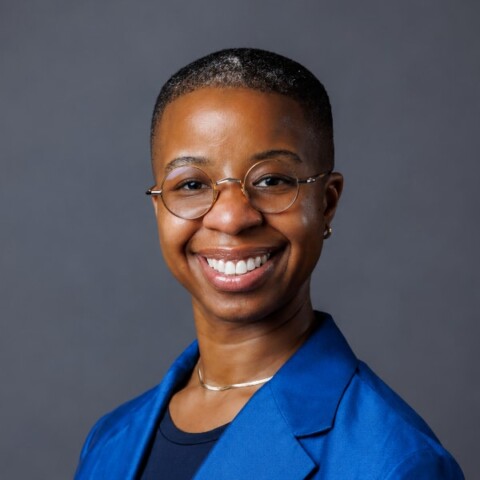
Closing the session, Olayinka Fagbayi (Global Health Investment Corporation) defines global health funding as “the most consequential set of choices that we have about the values that we believe in”, as capital spending affects both planet and people, far beyond healthcare alone.
Watch the video to explore this session in detail.