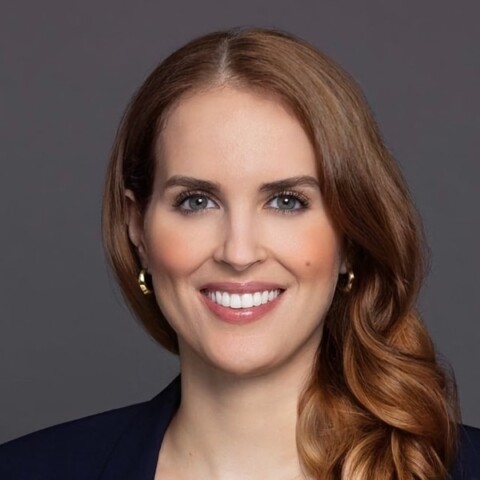
How can artificial intelligence bring real benefit to healthcare? Prof. Lisa Adams, a trained radiologist and Deputy Director at TUM University Hospital Munich, argues that clinical AI only works at scale when hospitals build their own AI infrastructure instead of focusing on prototypes and demos.
While AI has shown that it can be of great help in healthcare, the positive effect on everyday work often remains marginal. “We have the same records, the same clicks, the same manual search through years of documentation”, Adams says. “The question is, why does useful AI so rarely become part of our routine clinical health care?”
Regulation, liability, procurement and reimbursement schemes all matter, she notes. But one often overlooked factor is infrastructure, she argues. “From lab to clinic means building the infrastructure that allows AI to run inside our hospitals.” Cloud computing alone is not enough, Adams insist. “Hospitals need local AI capacity too.”
To illustrate why, Adams presents a use case from her own clinic where local AI models support everyday workflows and keep data, logs and updates under hospital control.
Watch the video to explore this talk in detail.