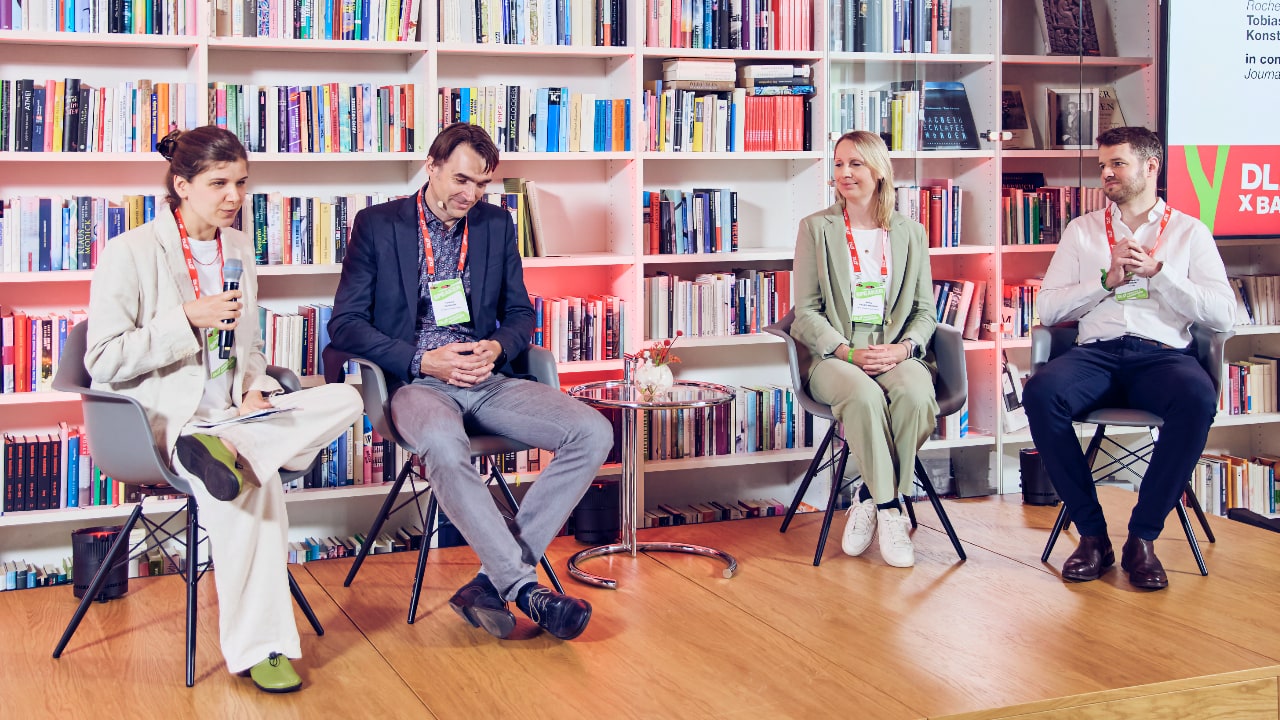
Artificial Intelligence is transforming the life science sector by accelerating drug development and diagnostics while easing the burden of repetitive tasks on medical staff, this DLD Health expert panel shows. Moderated by journalist Janne Knödler,
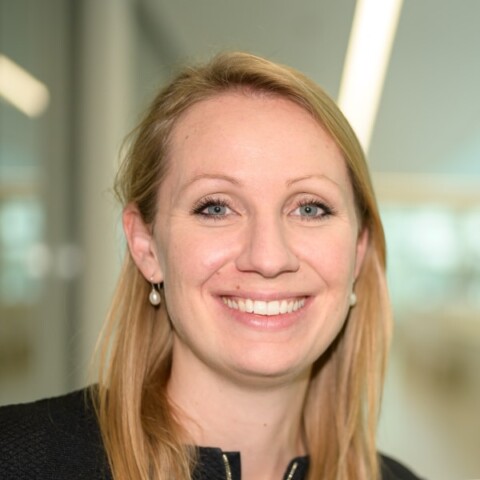
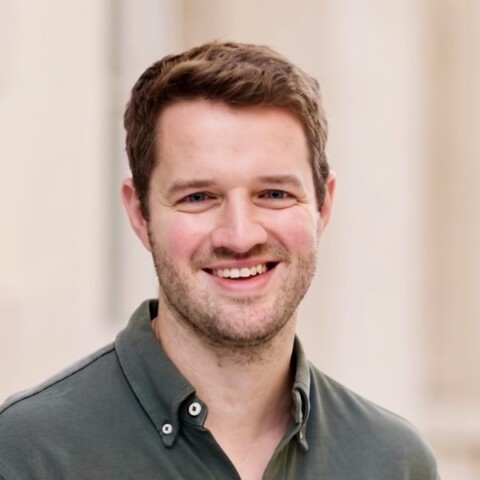
the session brings together Anna Bauer-Mehren (Roche Diagnostics/Bavarian AI Council), Tobias Heimann (Siemens Healthineers) and Konstantin Hemker (OpenAI).
“It involves a lot of people across the entire value chain to bring a drug to market”, Hemker explains. Therefore it would be unrealistic to expect a headline announcing “the first AI-designed cancer drug”, he says. But AI “can accelerate a lot of the steps along the way and support researchers in that process”, for example by “modeling how drugs might behave or interact with our immune system.”
AI can also help diagnose diseases earlier, Anna Bauer-Mehren adds, which will increase the chance of healing, especially with cancer, “because the earlier you detect cancer, the better.” But she pushes back on the expectation that AI could end all disease within ten years.
In diagnostics, Heimann notes that some AI systems are already “better than the average doctor” for certain questions, though specialists still outperform the best systems. Much of the technology’s impact will be seen in automating specific tasks, like tumor measurements or outlining risk organs and targets. “This is hours of time that you spend just circling structures in front of the computer”, Heimann says. “This is not what radiologists want to do.”
Watch the video to explore the session in detail.